Packaging and pallet loading for sea freight
Carton design, folding methods and container loading plans are where most avoidable freight damage happens.
Damaged cartons rarely arrive because a container fell off a ship. They arrive because a carton was packed in a way that left the contents free to move, or because a pallet was loaded without regard to the weight distribution in the container.
Carton engineering
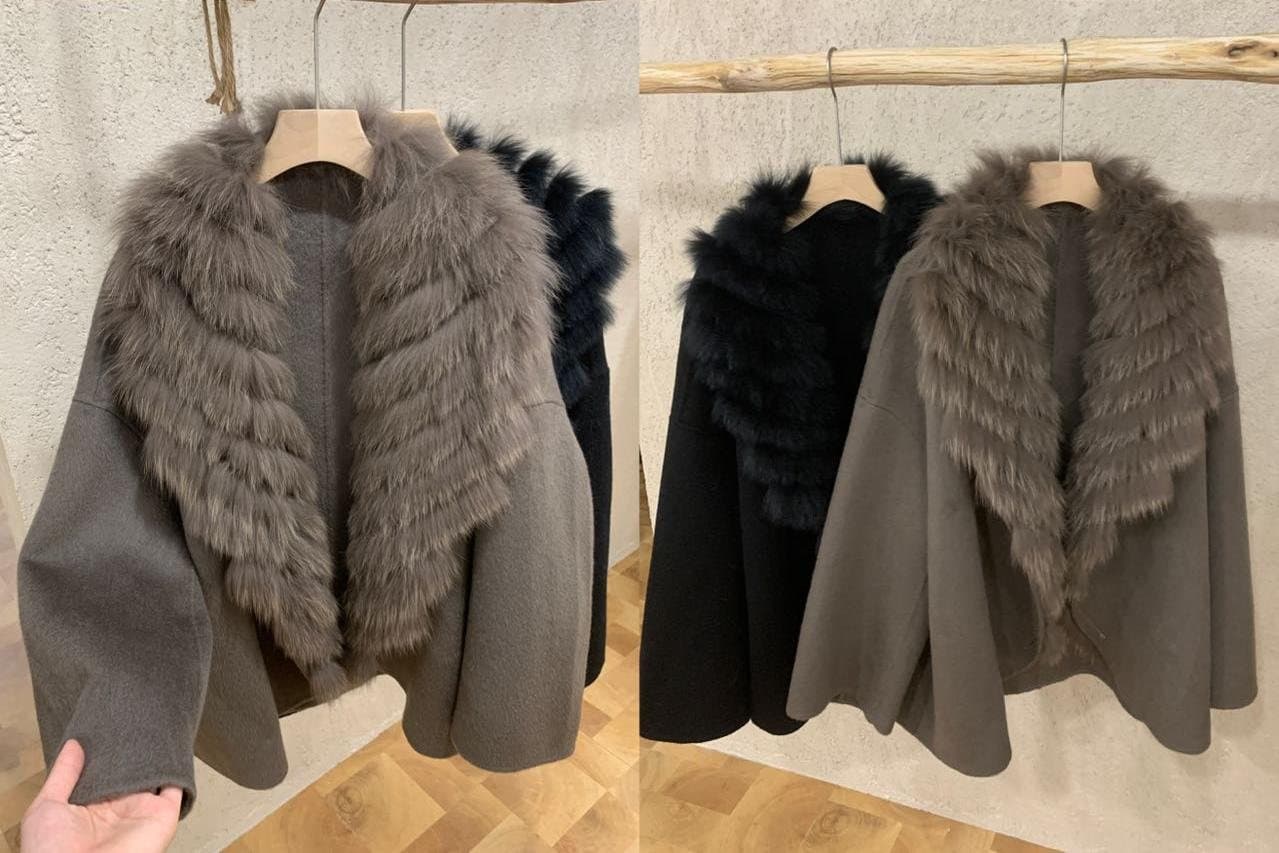
Every export carton we use is built around the fold pattern of the product rather than a generic size. Knitwear is folded and banded rather than vacuum-packed, because compression damages loft and cause claims on arrival. Hats are stacked brim-to-crown with a tissue divider, and fur garments travel on a wide shoulder hanger inside a reinforced bag.
Loading the container
We load by weight band rather than filling the front of the container first. Heavy fibre cartons go deep and low against the container wall, lighter items go on top, and nothing is stacked in the door area where it will be handled first. Every container leaves with a loading plan recorded, so the arrangement can be explained at destination if a claim is raised.
Documentation that travels with the goods
- Commercial invoice and packing list matching the physical count
- Material and fibre declarations for fur and fur-look styles
- Carton marks with the destination and buyer reference
- Insurance certificate where the buyer requests CIF terms