How to read a fur garment declaration before placing an order
Fibre names on a fur label can look dense and opaque. Here is what the wording actually tells you about origin, traceability and risk.
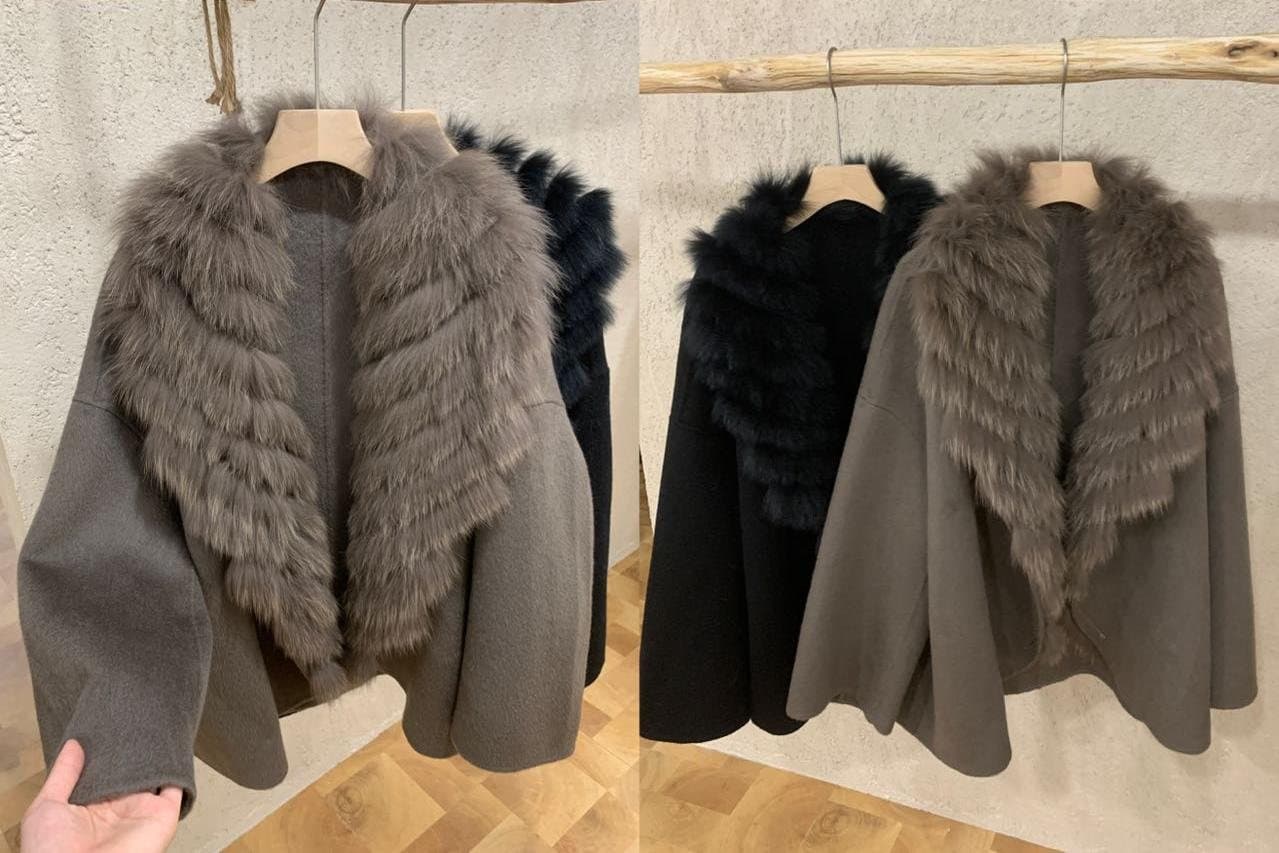
Fur and fur-look labelling is one of the areas where importers carry the most avoidable risk. The wording is regulated, but it is dense, and small differences in phrasing point to materially different supply chains.
Three labels worth reading carefully
Fibre description. A genuine fur product names the animal and the part of the pelt used — for example "Dyed lamb fur, body plates with trimmed backing". A fur-look product names a man-made fibre instead, such as "100% polyester pile". Both are legitimate; what matters is that the label matches what you are actually selling.
Country of origin. For fur-look, this refers to where the product was made, not where the fibre was spun. If a European buyer needs fibre-level traceability, ask for the fibre origin separately and in writing.
Certification mark. Where buyers are working to GRS or an equivalent standard, confirm the certificate number and the transaction certificate scope before you commit the deposit, not after.
Questions worth asking us
- Which component of the garment does the fibre declaration cover?
- Is the backing and lining covered by the same declaration?
- Can you provide a copy of the transaction certificate for our records?
We keep the fibre origin, mill and certification documents on file for every production lot, and we share them with the buyer before shipment rather than on request afterwards.